accommodation container for workers
When planning temporary or semi-permanent housing for workers, one key concern that often arises is, “How secure is an accommodation container for workers?” Accommodation containers have become an increasingly popular solution in industries such as construction, mining, and offshore operations due to their cost-effectiveness, portability, and flexibility. However, the security of these units is a critical consideration, especially when they are used for long-term stays or placed in remote locations. The security of an accommodation container depends on factors such as design, materials, access control, and on-site management.
One of the primary aspects contributing to the security of an accommodation container is its construction material. Most modern accommodation containers are made from high-grade steel, which is highly resistant to forced entry and damage from environmental elements. The solid steel walls and reinforced doors provide a secure barrier against unauthorized access, offering greater protection than temporary shelters or tents. Additionally, these containers are designed to withstand extreme weather conditions, reducing vulnerabilities that could compromise the safety of the occupants.
Locking systems and access control play a crucial role in determining how secure an Accommodation Container is for workers. High-quality containers are equipped with robust locks, padlock provisions, or even electronic access systems in more advanced units. By controlling entry points, employers can ensure that only authorized personnel have access to the container, protecting both workers and their belongings. In some cases, containers can be linked to a central security system with alarms or surveillance cameras, further enhancing the level of protection for on-site workers.
Placement and site security are equally important when evaluating the safety of an accommodation container. Even the most secure container can be vulnerable if it is located in an isolated or unmonitored area. Strategically positioning containers within well-lit and monitored zones, ideally within fenced or guarded sites, significantly reduces the risk of theft, vandalism, or unauthorized entry. Employers can also implement additional measures such as security patrols, CCTV coverage, and secure perimeter fencing to bolster the overall security of accommodation containers on construction or mining sites.
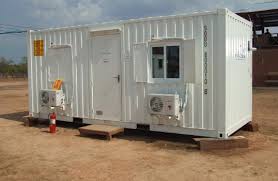
How secure is an accommodation container for workers?
The internal design of an accommodation container also impacts security for workers. Many containers are configured with separate sleeping areas, lockable cabinets, and secure storage for personal belongings. This internal organization allows workers to safely store valuables and equipment, reducing the risk of loss. Moreover, modern designs often include features such as reinforced windows with secure grilles or shutters, ensuring that the container remains secure even when occupants are away. A well-planned interior not only improves comfort but also strengthens security for long-term stays.
Maintenance and durability are additional factors that influence the security of an accommodation container. Regular inspections to check for wear, rust, or damage are essential to ensure that the container remains secure over time. A poorly maintained container can become vulnerable to forced entry or structural failure, compromising the safety of workers. Using high-quality materials and conducting routine maintenance minimizes these risks, allowing the container to serve as a reliable and secure living space for extended periods.
The mobility of an accommodation container can also enhance security in certain situations. Containers can be relocated if a site becomes unsafe or if operational requirements change, offering flexibility that traditional on-site housing may not provide. This mobility allows employers to respond to emerging security threats, environmental hazards, or logistical challenges while ensuring that workers remain protected. In industries like construction or mining, where site conditions can change rapidly, this adaptability is a significant security advantage.
Fire safety and emergency preparedness are essential components of security in an accommodation container. Many containers are designed with fire-resistant materials, smoke detectors, and emergency exits to protect occupants in case of fire or other hazards. Properly maintained fire safety equipment and clearly marked evacuation routes enhance overall safety, making the container a secure and resilient environment for workers. Integrating safety features with robust security measures ensures comprehensive protection for both people and property.
Another aspect affecting how secure an accommodation container is for workers is compliance with industry standards and regulations. Reputable manufacturers and suppliers adhere to local building codes, occupational safety standards, and security guidelines, ensuring that containers meet recognized benchmarks for safety and protection. Choosing containers that comply with these regulations guarantees that the facility is designed to provide reliable security while minimizing legal and operational risks for employers.
In conclusion, the security of an accommodation container for workers depends on a combination of construction quality, access control, site management, internal design, maintenance, mobility, and compliance with safety standards. High-quality steel construction, robust locking systems, strategic placement, and well-planned interiors all contribute to creating a secure environment for workers. When these elements are combined with regular maintenance, fire safety measures, and industry compliance, accommodation containers provide a reliable, safe, and secure living solution for temporary or long-term worker housing. Employers who prioritize security in the design and management of accommodation containers can ensure that their workforce is protected, comfortable, and confident in the safety of their living spaces.

+ There are no comments
Add yours