employment agreement be signed electronically
Many individuals entering a new job wonder, “Can an employment agreement be signed electronically?” As workplaces evolve and digital communication becomes standard practice, electronic signatures are increasingly replacing traditional handwritten signatures. The simple answer is yes—in most regions, an electronic signature is legally valid and enforceable when used to sign an Employment Agreement. Governments and courts around the world recognize that digital signatures provide an efficient and reliable way to formalize agreements, as long as certain security and consent requirements are met. This shift has made the hiring process faster and more accessible, especially for remote positions or organizations operating across multiple locations.
One of the main reasons electronic signatures are widely accepted is convenience. Physical paperwork often requires printing, scanning, mailing, or visiting an office in person, which can delay onboarding. With digital signing platforms, the Employment Agreement can be reviewed and signed from anywhere at any time. This flexibility benefits both employers and employees by reducing administrative delays and allowing new hires to start planning their transition without unnecessary frustration. Despite the speed of the process, signing electronically carries the same legal weight as signing on paper when proper procedures are followed.
Electronic signatures also enhance accuracy and recordkeeping. When an Employment Agreement is signed digitally, it typically includes a secure audit trail that documents vital details such as the date and time of the signature, the identity of the signer, and the IP address or device used. This information helps prove that the employee intentionally agreed to the terms. Employers benefit from a clear record, while employees gain confidence knowing they have a verified digital copy of the agreement. In many cases, electronic signing platforms reduce risks of lost paperwork or accidental changes that might occur with printed documents.
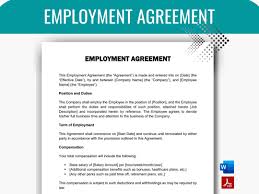
Can an employment agreement be signed electronically?
However, even though electronic signatures are enforceable, certain conditions must be met for the Employment Agreement to remain valid. There must be clear consent from both parties to sign electronically. If an employee prefers a traditional signature and the jurisdiction allows it, the employer should accommodate the request. Additionally, digital signatures should be completed through reliable and secure platforms that protect confidentiality and prevent unauthorized access. Using personal email attachments without safeguards could raise disputes about authenticity later, so most employers rely on trusted digital signature systems to ensure the agreement remains legally secure.
Some people still worry that electronic signatures may not hold up in court. In reality, electronic signatures are well protected under modern contract laws, and courts frequently uphold Reviewing employment contract for executives terms signed digitally. As long as the document meets the fundamental requirements of a contract—offer, acceptance, consideration, intent, and consent—the format of the signature does not reduce enforceability. What matters is the clarity of the agreement and the voluntary participation of both parties, not whether the signature was handwritten or digital.
In conclusion, signing electronically is not only acceptable but has become standard practice in modern HR and recruitment processes. Employees and employers can confidently use digital signatures to finalize an Employment Agreement, knowing it carries full legal validity when proper security and consent measures are followed. This digital approach increases efficiency, promotes smooth onboarding, and supports the growing trend toward flexible and remote work environments.

+ There are no comments
Add yours