quote trade report to regulators
Does quote trade report to regulators? This is an important question for traders and investors who want to ensure that their activities comply with financial regulations. Quote trade refers to the practice of executing trades based on real-time market quotes, allowing traders to respond quickly to fluctuations in prices. While the strategy itself is legal, understanding how quote trade interacts with regulatory requirements is essential for maintaining compliance and avoiding potential legal issues.
Quote trade, when conducted on regulated platforms, is subject to reporting requirements in many jurisdictions. Brokers and financial institutions are typically responsible for monitoring and recording all trading activity. This includes transactions executed through quote trade strategies. Regulatory bodies such as the Securities and Exchange Commission (SEC) in the United States, the Financial Industry Regulatory Authority (FINRA), and the European Securities and Markets Authority (ESMA) require that brokers maintain accurate records of all trades. These records are used to detect suspicious activity, enforce compliance, and ensure that quote trade and other strategies are not being used for market manipulation or other illegal purposes.
While individual traders may not report quote trade activity directly to regulators, the brokers and platforms they use handle this responsibility. This ensures that regulators have access to accurate information about market activity, including high-frequency trading and other forms of quote trade. By reporting trades through these intermediaries, financial authorities can monitor market integrity, prevent abuse, and detect patterns that may indicate illegal activity. This system allows traders to engage in quote trade with confidence, knowing that their transactions are compliant when executed on regulated platforms.
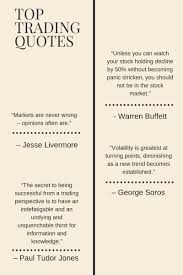
Does quote trade report to regulators?
Quote trade activity can sometimes generate high volumes of transactions in a short period, especially when algorithms or automated systems are used. Regulators are aware of this and often implement monitoring systems to ensure that such trading does not disrupt market stability. Reporting requirements help regulators track these activities and ensure that quote trade is conducted within legal and ethical boundaries. By maintaining detailed records and providing regulators with access to trade data, brokers help safeguard both the market and individual traders.
It is also important for traders to understand that compliance extends beyond reporting. Using licensed brokers, following platform rules, and adhering to market regulations are all part of responsible quote trade practices. Violations such as attempting to manipulate quotes, conceal trades, or bypass reporting mechanisms are illegal and can lead to severe penalties. By conducting quote trade on regulated platforms, traders can avoid these risks while benefiting from a transparent and secure trading environment.
In conclusion, does quote trade report to regulators? The answer is yes, indirectly. While individual traders are not usually required to submit reports themselves, the brokers and trading platforms they use are responsible for recording and reporting all transactions to regulatory authorities. This ensures that quote trade activity is transparent, compliant, and monitored for market integrity. By following regulations and using licensed platforms, traders can safely employ quote trade strategies while contributing to a fair and well-regulated financial system.

+ There are no comments
Add yours